Protect Your Cat From Parasites That Follow You Home


The most prescribed medicine for feline parasite protection.1
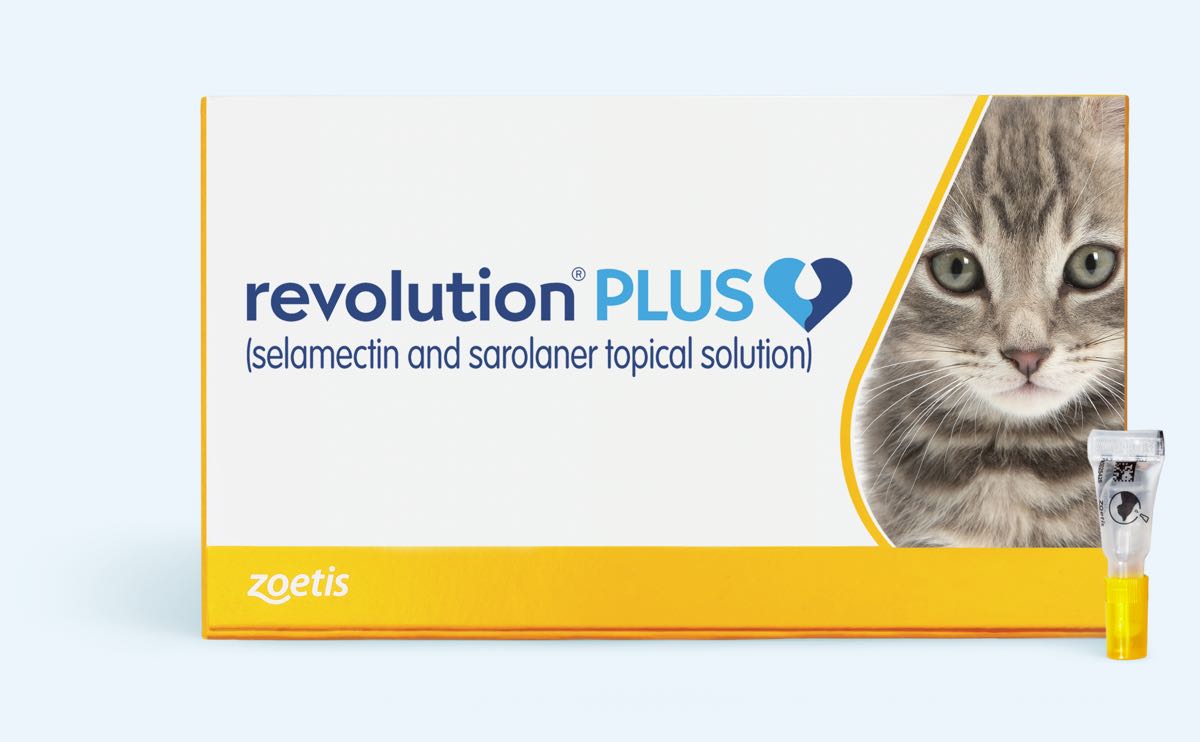
Did you know itty bitty invaders can come indoors by grasping to your clothes or clinging to your shoes? Revolution Plus protects your cat inside and out against fleas, ticks, ear mites, roundworms, hookworms, and heartworm disease.

Why does your cat need Revolution Plus?
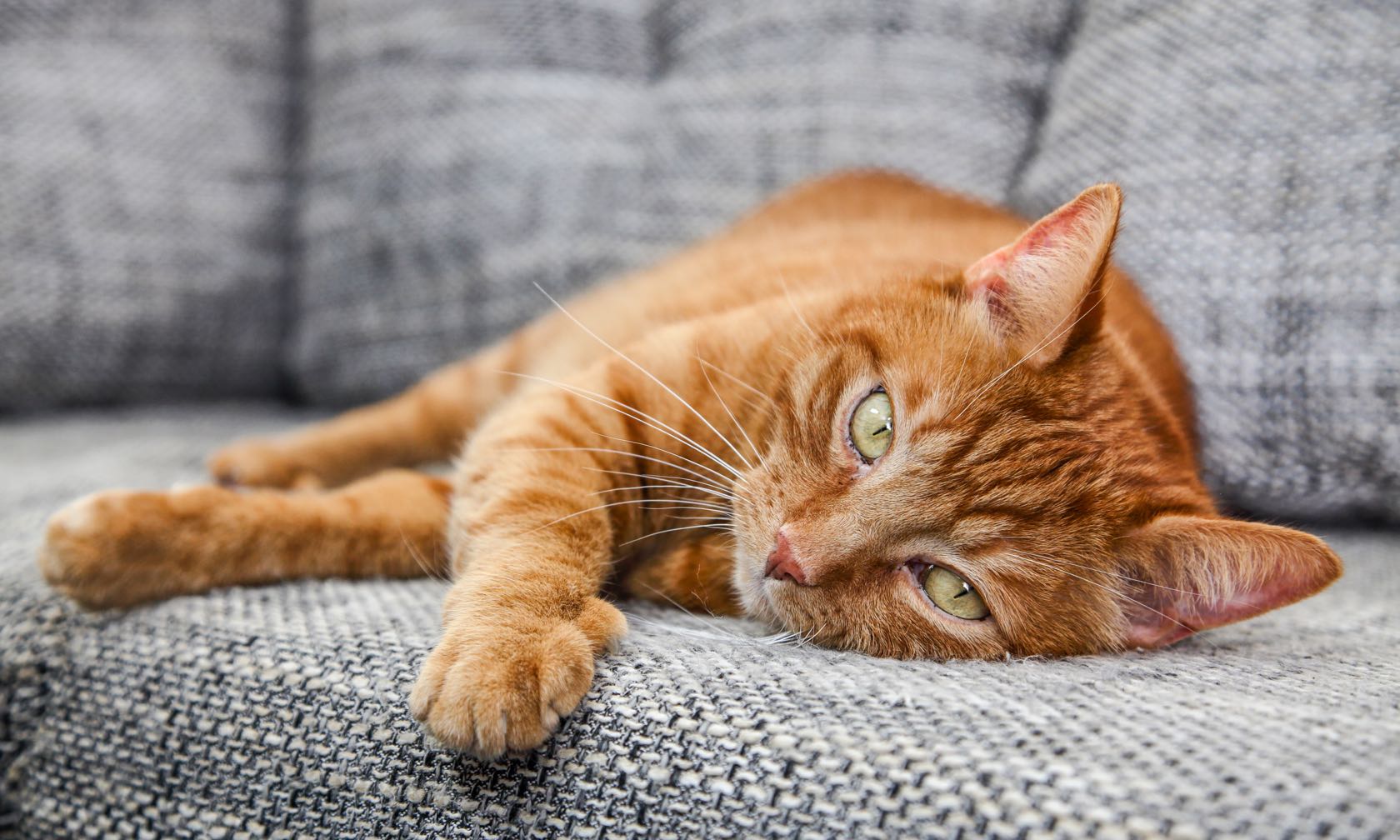
Parasites are not “outdoor-only.” Any cat or kitten can regularly come in contact with harmful pests. Parasites hitchhike indoors on other pets and creatures, on your shoes and clothes, or through doors and windows.


IMPORTANT SAFETY INFORMATION: See Prescribing Information. The safe use of Revolution Plus has not been established in kittens less than 8 weeks old or in breeding, pregnant or lactating cats. Reported side effects in clinical trials included lethargy and anorexia. Use with caution in cats with a history of neurologic disorders. Revolution Plus contains sarolaner, a member of the isoxazoline class, which has been associated with neurologic adverse reactions, such as termors, ataxia, and seizures in cats with or without a history of neurologic disorders. In humans, Revolution Plus may be irritating to skin and eyes.
Revolution Plus is a simple-to-apply, quick-drying, small-volume, monthly topical solution that protects against fleas (Ctenocephalides felis), ticks (lone star tick [Amblyomma americanum], black-legged or deer tick [Ixodes scapularis], Gulf Coast tick [Amblyomma maculatum] and American dog tick [Dermacentor variabilis]), ear mites (Otodectes cynotis), roundworms (Toxocara cati), hookworms (Ancylostoma tubaeforme), and heartworms (Dirofilaria immitis) for cats and kittens as young as 8 weeks of age and weighing 2.8 pounds or greater.
References: